Native app development for Mac, Windows, and iOS.
Twenty years building software, and a specialty most shops skip: real native apps for Mac, Windows, and iPhone, built properly and delivered the whole way, signed, trusted, and installed on the machines that run them. We built the Mac app a Los Angeles key art agency opens every day to prepare studio campaigns, and we shipped our first iPhone app back in 2019. You work with the person writing your software, start to finish.
Part of our Cincinnati software studio// 01 · WHAT WE BUILD
REAL SOFTWARE FOR THE MACHINES
YOUR PEOPLE ACTUALLY USE.
Native apps built for the work people do every day.
Mac apps.
True desktop software with its own documents and Finder integration, built in Swift.
iPhone and iPad apps.
Customer apps and team tools, written in Swift to feel fast and at home on the device.
Cross-platform delivery.
One product packaged and installed cleanly on both Mac and Windows, including the signed installers most teams underestimate.
// 02 · GETTING IT TO YOUR USERS
SIGNED, TRUSTED, AND INSTALLED, NOT JUST BUILT.
Writing the app is the part everyone talks about. Getting it onto your users’ machines, trusted by the operating system and simple to install, is the part most shops gloss over, and it is where a lot of “finished” software quietly stalls. We do it end to end.
On a Mac, that means code signing, Apple notarization, and stapling the result so the app opens without a scary warning. On Windows, a real installer instead of a folder of files and a page of instructions. For the App Store, a developer account set up correctly, a TestFlight beta your team tries first, and a submission built to pass review.
When the store is the wrong route, we skip it. For a business putting software in the hands of its own staff, we package a signed installer and push it straight to a fleet of machines. One Mac app we built reaches a firm’s computers that way, updated without the store ever being involved. Most people who build apps know one path, through Apple. We know the rest, which is what gets your software actually installed and running.
// 03 · THE ENGINEERING
SOFTWARE THAT HOLDS UP WHEN THE WORK GETS MESSY.
The gap between an app that demos well and one still running in two years is in the parts nobody asks about in the pitch. That is where we spend our time, and it is why our software stays in use.
Take the Mac app we built for that agency. It stores its projects as a true document type, with its own icon and Finder behavior, and it generates print-ready PDFs through an engine we wrote ourselves instead of a borrowed library, so we control exactly how the output looks on the page. When source images get moved or a drive gets renamed, the app tracks them down again on its own, through a chain of fallbacks, before it ever bothers the person using it. It runs completely offline, saves its own versioned backups so a crash costs nothing, and it has handled the agency’s daily client work for years without drama. None of that was the flashy part of the pitch. All of it is why the app is still open every morning.
// 04 · A PRICE THAT HOLDS
THE NUMBER WE QUOTE IS THE NUMBER YOU PAY.
Most software quotes are a confident figure with a pile of unspoken assumptions underneath, and those assumptions turn into change orders once your money is already in. We work the other way. Before we give you a number, we work out which parts are straightforward and which ones need a closer look, and we price from what we actually find. No surprises bolted on in month three.
The same habit shows up in the build. On the agency’s app, the first plan assumed the source files would stay where they were put. Agency drives get reorganized constantly, so we built the app to expect that from the start rather than break on it later. We would rather solve the real problem up front than hand you exactly what the spec said and watch it fall over down the road.
// 05 · PROOF
NATIVE WORK
IN DAILY USE.
The real test of native software is time: is it still getting opened every day a year later? This is.
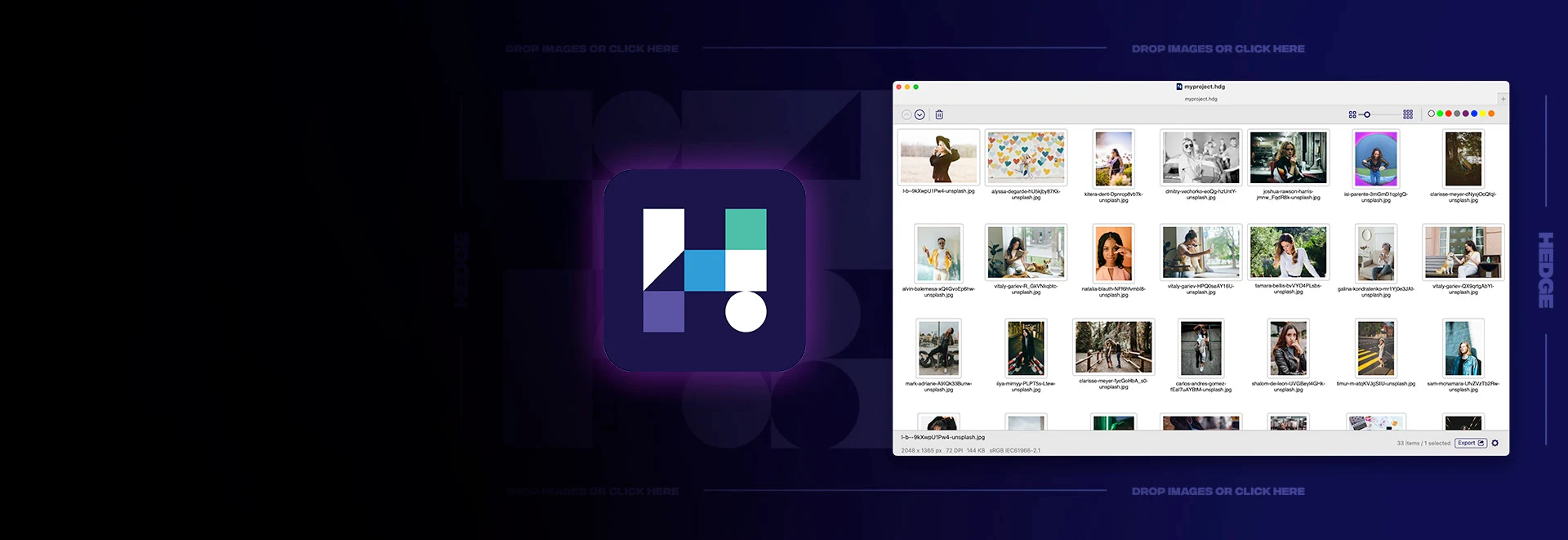
Native is not a one-off for us. We shipped our first iPhone app back in 2019: RideSeekr pulled the scattered world of shared scooters and bikes onto a single map and handed you off to the right app to unlock the one you chose. And our desktop work reaches into the creative tools designers use all day, building and distributing plugins inside Adobe’s apps, which is a specialty of its own.
Adobe plugin and extension development// 06 · FAQ
COMMON QUESTIONS.
What is it like to work with you?
You deal with the person building your software, not an account manager relaying messages. You see working pieces as they come together instead of waiting months for one big reveal, and we tell you the truth about trade-offs while there is still time to act on them.
Mac, Windows, iPhone, iPad, or several?
Whatever fits the job and the people using it. We build for the machines your users actually have, not every platform by default.
How much will it cost?
Scoped to a fixed number before you commit, with a smaller first version if the full idea is more than the budget right now. For App Store apps, Apple also charges $99 a year for the developer account, which stays in your name.
Will Apple approve it?
We build to Apple’s rules from the start, which is where most rejections come from, and we handle the submission and anything the reviewer raises. We cannot promise Apple’s mood, but we know the guidelines and how to answer them.
What about updates when the OS changes?
Mac, Windows, and iOS all ship major updates on their own schedule, and software needs occasional upkeep to keep pace. We tell you up front what that looks like, so it is planned for instead of a surprise.
Who owns it?
You do. The code, the installers, the store listing under your own account, all of it.
// START HERE
TELL US WHAT
YOU'RE BUILDING.
Twenty minutes with a senior engineer, and you'll leave with how we'd build it, roughly what it takes, and what we'd worry about first. We read every message ourselves and reply within one business day.
A rough idea is enough to start.
That's in front of us now.
You'll hear back within one business day, from an engineer rather than a form letter. Nothing else needed on your end.
Or just email us at hello@queencity.io